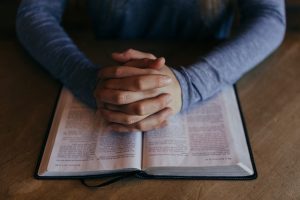
 Introduction: More Important than any rule or law is our love relationship with Jesus Christ, which is developed through spending time in Bible study, prayer, and witnessing. When we study the Bible, God speaks to us. When we pray, we speak to Him. And when we witness, we speak to others about Him. In this lesson we will discover the secrets of prayer and how we can enjoy this privilege.
1. Prayer is talking to God from the heart as to a friend. How do we know that God will always answer our prayers in the best way? Rom. 8:32 [The Further-study verses are Psalms 102:17; 147:3-6]
2. How should we pray in these solemn times? 1 Peter 4:7 [Luke 21:34-36]
3. What did the disciples want Jesus to teach them? Luke 11:1. In response, what did Jesus say should be included in our prayers, Luke 11:2-4. And finally, what principle did Jesus give for obtaining answers to prayer? Luke 11:5-9. [Note: In Luke 11:2-4, Jesus was not giving a formal prayer to recite but was answering the disciples’ request, “Teach us to pray.” Here He taught us what type of things to pray about and how we should persist in prayer. Matt. 6:9-13; 7:7-11; Luke 18:1-7; 1 Thess. 5:17]
4. In Luke 11:2, above, Jesus taught us to pray to the Father. In whose name, or by whose authority, should we address the Father? John 15:16 [Note: We pray in Jesus’ name because He is our mediator and Savior. Through His merits we gain access to the very throne of the universe. John 14:12-15; 16:23, 24; 1 Tim. 2:5]
5. When especially should we pray? Ps. 5:3 [Mark 1:35; Ps. 55:16, 17].
6. What kind of prayers should these morning prayers be? Matt. 6:5-8 [Ans: Personal, private prayers rather than formal, “prayer book” prayers. Matt. 23:14]
7. Besides our private prayers, is there also a place for public prayer? Matt. 18:19, 20 [Acts 1:14; 2:1]
8. What attitude toward God should we exhibit in our prayers? Ps. 95:6, 7 [Ans: Reverence such as is shown by kneeling in awe and humility when possible. Isaiah 45:23; Phil 2:9, 10; Daniel 6:10; 2 Chron. 6:13; Ps. 141:1, 2]
9. On what specific occasions did Jesus and the apostles pray? Acts 27:35 [Ans: At meal times. Luke 24:30] Thus far we have noted four things that will make our prayers effective. We might call these conditions, or principles, of prayer. The four principles we have noted are: (1) being persistent, (2) praying with Jesus’ authority, (3) being personal, and (4) having reverence. Now let us look at five more principles of prayer. See if you can remember all nine when we have completed the lesson.
10. What is a fifth condition? Ps. 37:5 [Ans: We must trust God. James 1:5-7; Heb. 11:6; Mark 11:24]
11. What is a sixth condition? 1 John 5:14 [Ans: We must want God’s will to be done. This is a matter of faith. If we really believe God’s way is best, we will want His will to be done. Matt. 26:39; James 4:3; Rom. 8:26-28]
12. What is a seventh condition? Prov. 28:9 [Ans: We must listen to God and obey Him. Why should we expect God to hear us, if we will not hear Him? And why should we expect Him to do what we ask, if we will not do what He asks? 1 John 3:22; Luke 6:46; John 14:12-15]
13. What is an eighth condition? Phil. 4:6 [Ans: We should praise God and be thankful for His goodness. Col. 4:2; Ps. 34:1]
14. What is a ninth condition? Mark 11:25, 26 [Ans: We should be willing to forgive others as we expect God to forgive us. Matt. 6:14, 15; 18:21-35]
Commitment: Will you plan to become better acquainted with Jesus by setting apart some time every morning to talk with Him in personal, private prayer?
STEP 1 (Lessons 1-10): Believing in Christ, Our Savior and Coming King